
PAG33 Highlights: Advancing Genomic Resources, FAIR Data, and Crop Trait Discovery
The International Plant and Animal Genome conference (PAG33) took place on January 9-14, 2026 in San Diego, California. The meeting focused on fostering an opportunity to exchange ideas and share recent developments and future plans for plant & animal genome projects through technical presentations, poster sessions, exhibits and workshops. This conference brought together over 3000 leading plant and animal scientists and researchers, and over 100 exhibits, 200 workshops, 700 posters.
Dr. Sunita Kumari, a senior bioinformatics scientist of the Ware Lab at Cold Spring Harbor Laboratory, gave a talk titled, “Advancing Plant Expression Resources: Gramene–Expression Atlas Collaboration on Bulk and Single-Cell Data Curation,” which focused on Expression resources at Gramene and EBI expression atlas and ensure how these datasets are reproducible and reusable and support interoperability with reference databases. She explained the EBI Expression resources - how data flows from submission through curation to visualization. Finally she ended her talk on how community engagement is so critical for biocuration to address the challenges associated with metadata standards, cell type annotations and benchmarking. The path forward requires both automation and community engagement to handle growing volumes of the data without bottlenecking on manual curation. She also co-organized the AgBioData Workshop titled “Challenges and Recommendations for FAIR Genetic, Genomic and Breeding Data.” This workshop was focused on the updates from the AgBioData working groups and the roundtable discussions on the challenging questions: How can we ensure the long-term financial sustainability of genomic, genetic, and breeding (GGB) databases? How do we safeguard decades of carefully curated data from loss? How can artificial intelligence be applied responsibly in data curation and analysis? And how might we rethink the relationship between data curation and scholarly publishing?
Dr. Nicholas Gladman, a USDA scientist at Cold Spring Harbor Laboratory , also presented a talk (“Sorghum Pan-Genomic Resources Reveal Novel Genetic Networks for Trait Discovery”). His talk highlighted research on understanding the developmental biology of sorghum inflorescence architecture and how to use public resources like SorghumBase to improve similar research programs
Both Dr Kumari and Dr Gladman helped organize workshops at the conference. Dr Gladman organized the USDA Databases session; “USDA Databases: Numerous Genomic, Phenotypic, and Computational Resources for Agricultural Researchers.” Members of several USDA database teams, including MaizeGDB, Digital Agricultural Science Hub (DASH), SoyBase, GrainGenes, and GramenePlants presented updates to their knowledgebases as well as the challenges and promises of USDA-funded resources for stakeholders.
Highlights of this symposium included multiple speakers from the Sorghum/Millet session revealed impressive updates to their genomics and breeding programs, including Sandeep Marla, of Kansas State University, discussing a recent sorghum pangenome and resequencing efforts improved identification of marker SNPs for improved Striga resistance. Rahul Chandora, from the University of Queensland, revealed a high quality genome assembly of the complex polyploid Echinochloa turneriana (channel millet). Zenglu Li, of the University of Georgia, discussed updated genomic selection (GS) models and optimizing the number of genotyping markers required for GS-informed breeding programs. James Schnable, from the University of Nebraska, presented multiple times and discussed how previously published GWAS and TWAS data can be improved upon by using a larger marker panel; resulting in the detection of alleles for certain trait-associated genes in sorghum and maize.
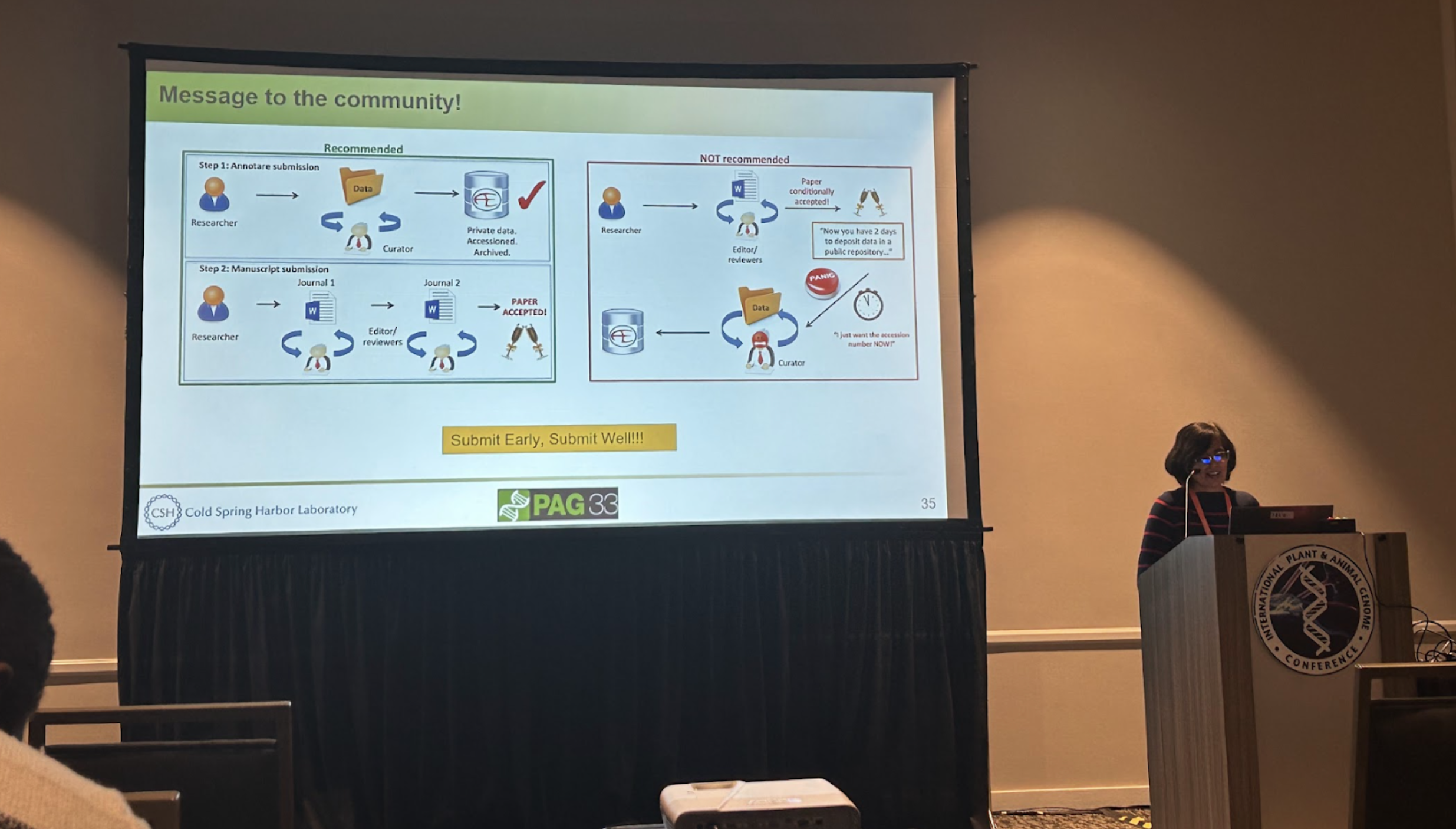
Dr. Sunita Kumari, giving a message to the community to submit the data with robust metadata as soon as it’s ready during the “Integrated Genome-Resources at EMBL-EBI” session at PAG 33.
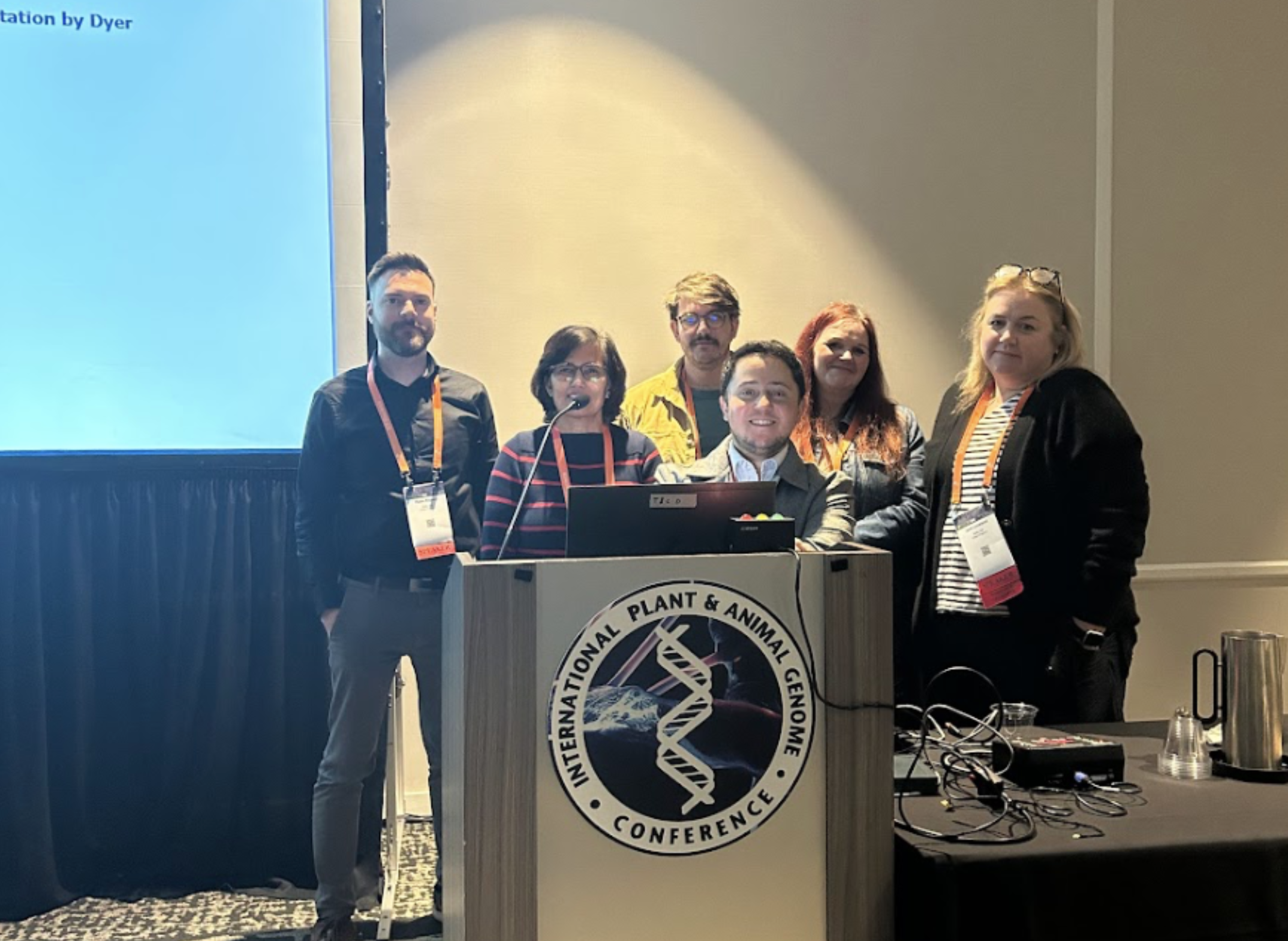
Dr. Sunita Kumari with all the EMBL-EBI speakers of “Integrated Genome-Resources at EMBL-EBI” session at PAG 33.
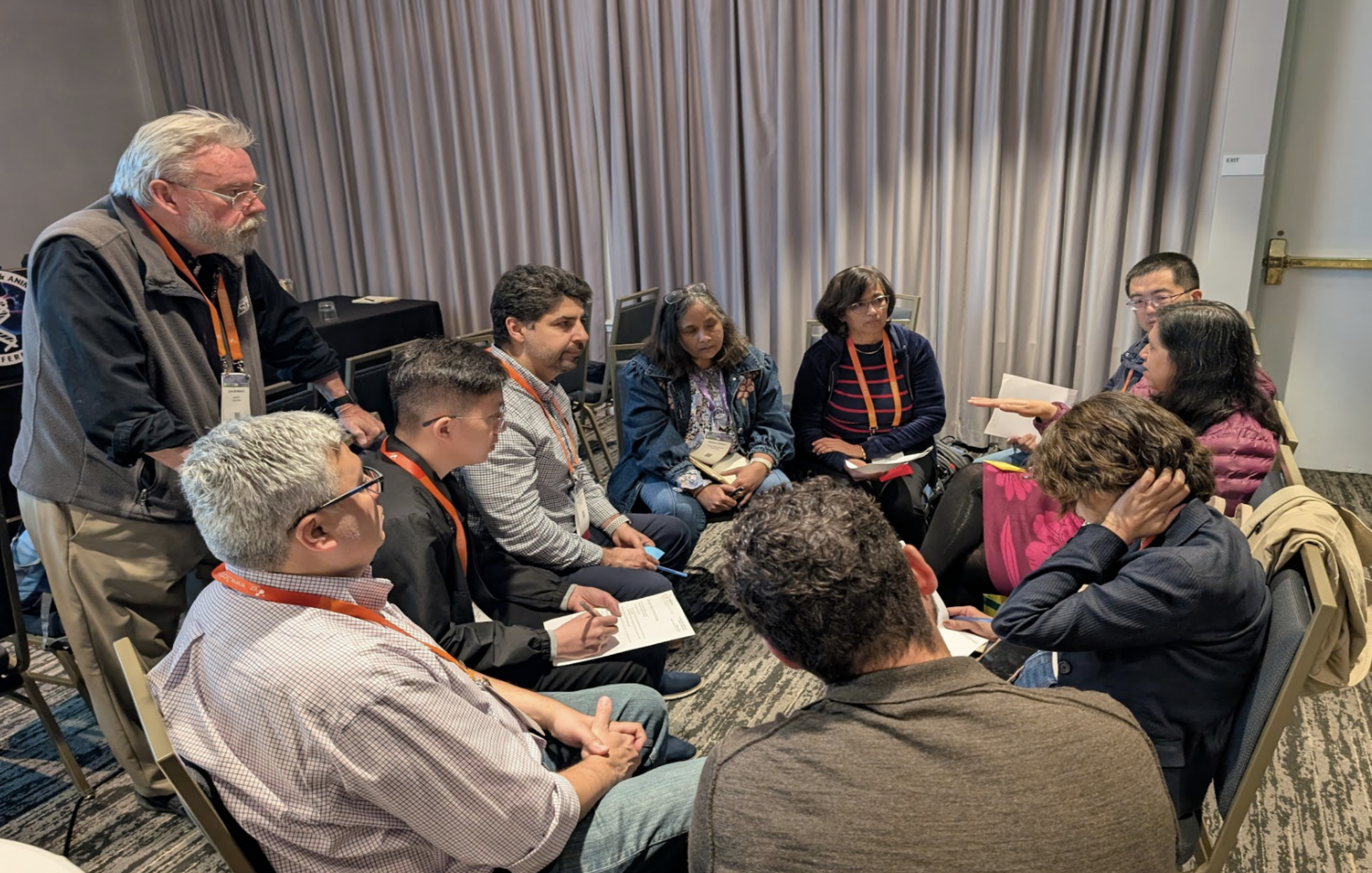
Dr. Sunita Kumari chairing the round table discussion with the AgBioData group members on governing the AI revolution in agricultural data at AgBioData Workshop session at PAG33.
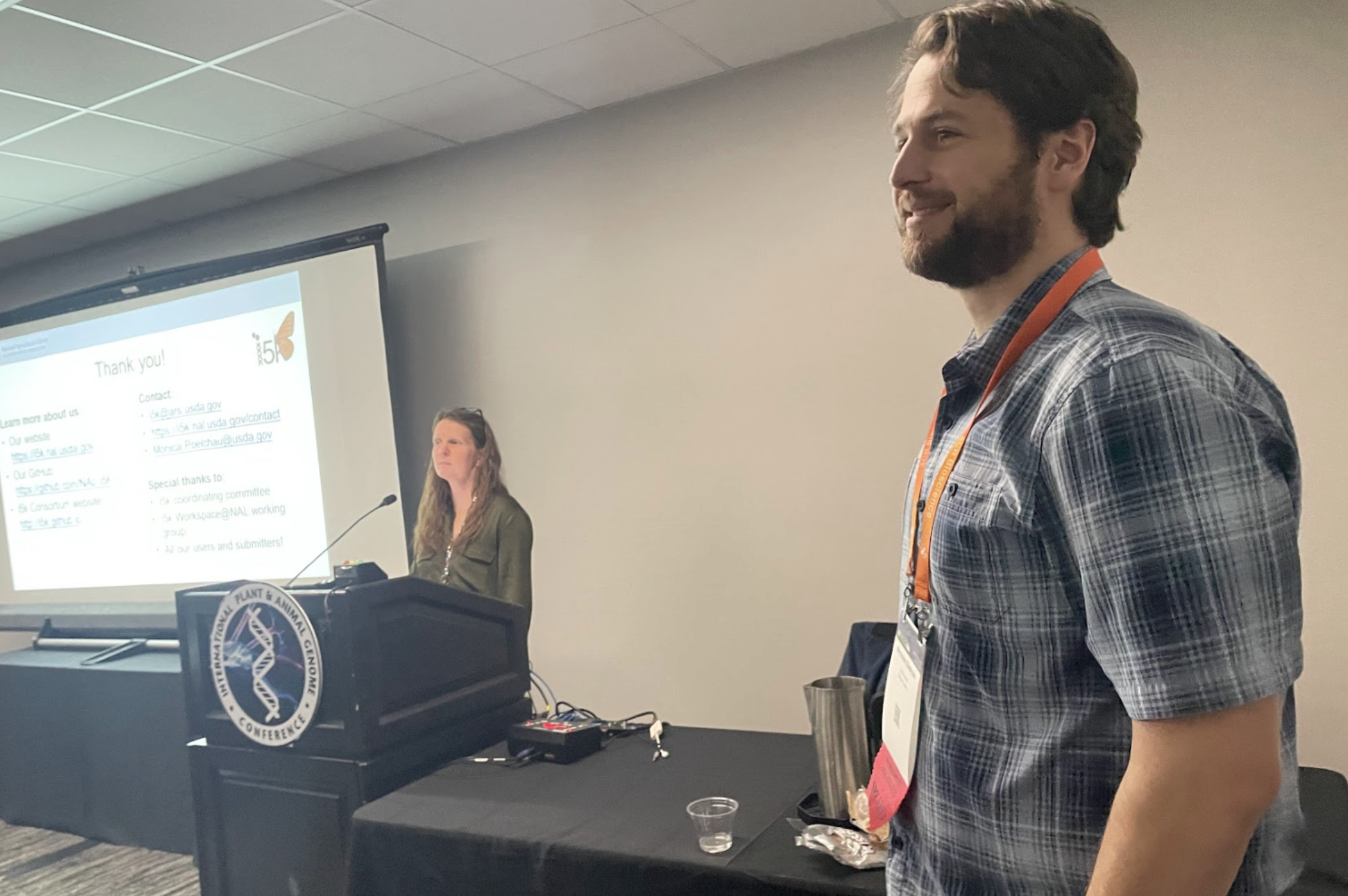
Dr. Gladman hosting the USDA Database workshop with USDA scientist Dr. Monica Poelchau from the National Agricultural Library.
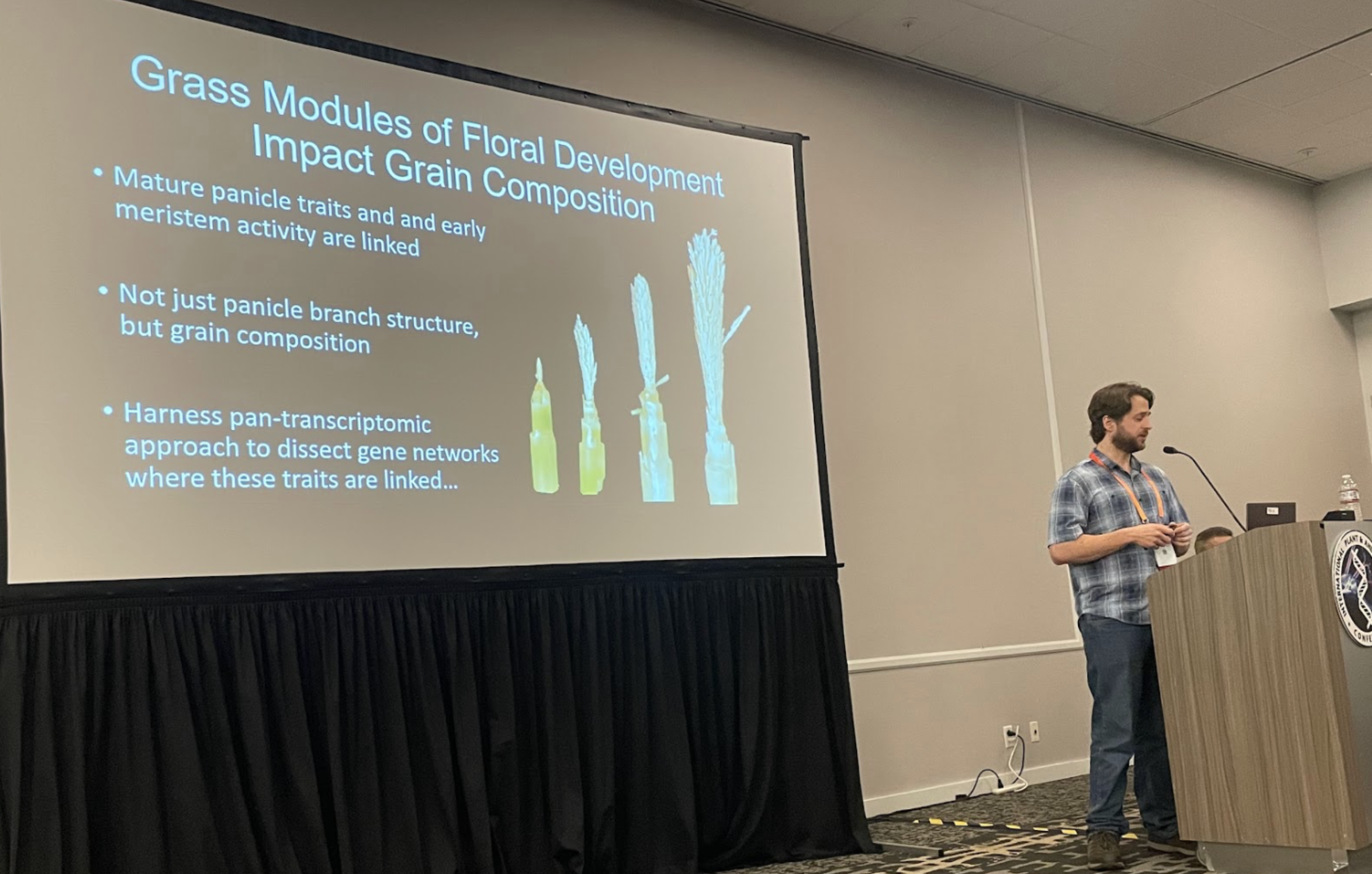
Dr. Gladman presenting on pan-transcriptomics and their use in identifying gene modules that can control mature inflorescence traits.
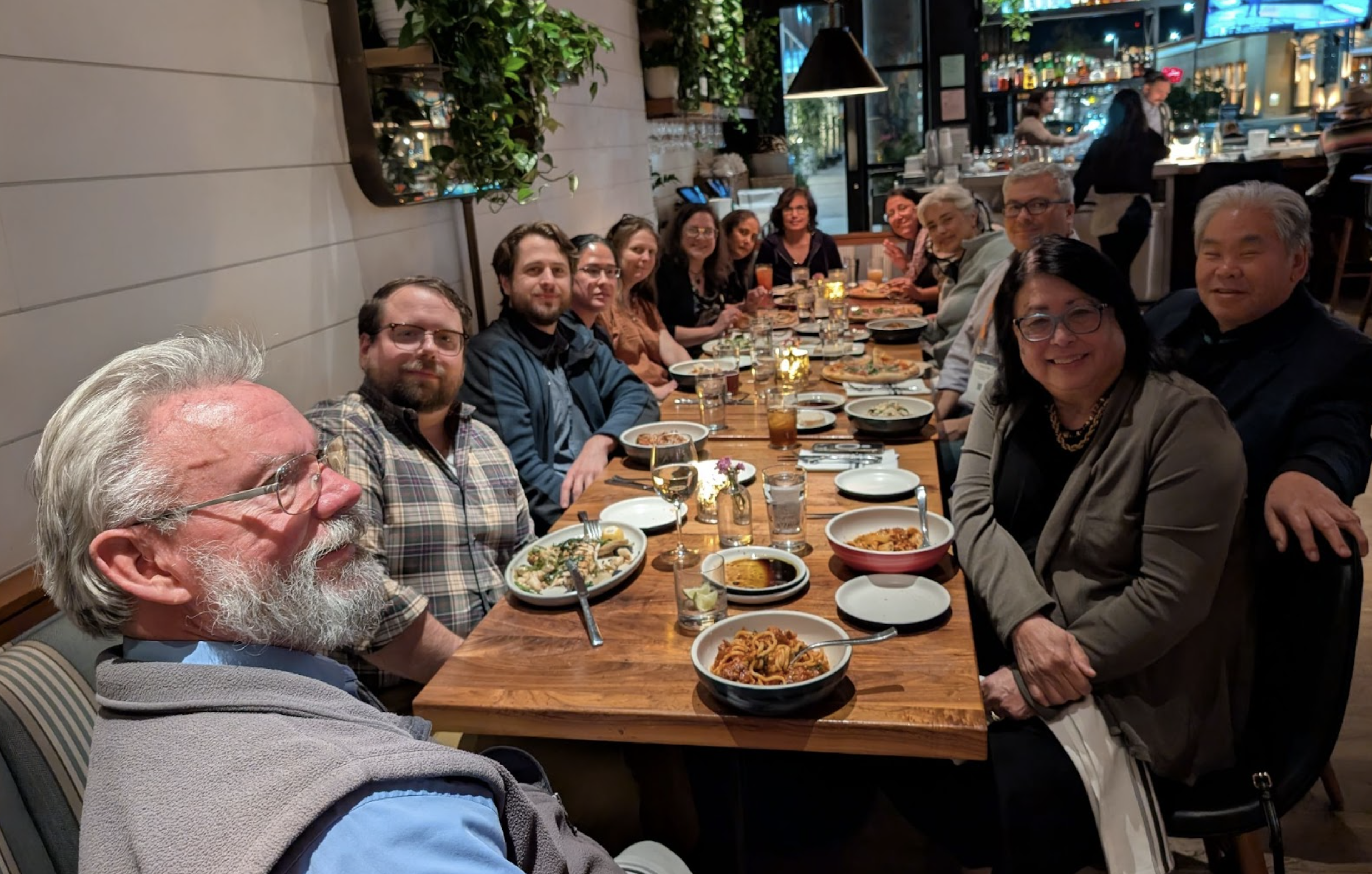
Drs. Kumari and Gladman attending a dinner with other AgBioData Consortium members.
- aolson's blog
- Log in to post comments